


Categories
- General catalogue 2024. PDF. FREE
- CHEMICALS
- ROBOTS
- POOLS
-
PUMPS
- PUMPS - compare any pumps
- Emaux pumps
- Speck pumps
- ESPA pumps
- Hayward pumps & parts
- Pumps for above ground pools
- Variable speed pumps
- 380V Pumps
- Spa and swimjet pumps
- Very heavy duty commercial pumps
- Astral™ pumps
- PUMP ACCESSORIES
-
PUMP SPARE PARTS
- Emaux SS Series parts
- Emaux SC Series parts
- Emaux SB Series parts
- Emaux SR Series parts
- Emaux SPH Series parts
- Emaux EPH Series parts
- Emaux EPV Series parts
- Emaux UPH Series parts
- Emaux ET Series parts
- Emaux ETV Series parts
- Emaux AFS Series parts
- Emaux AquaMini AMU parts
- ESPA (all series) parts
- SPECK (all series) parts
- Hayward spare parts
- FILTER SPARE PARTS
- FILTERS
- FISH POND and aquaculture systems
- COMPLETE FILTRATION SYSTEMS and portable systems
- FILTER MEDIA: sand, Zelbrite, glass, D.E. powder, cartridges
- SPECIAL OFFERS - filters, pumps, lights, chlorinators
- EQUIPMENT, Fixtures, Fittings, skimmers, grating, ladders, unions, plumbing, safety
- VALVES and UNIONS
- SPA fittings, pumps, blowers, jets, electrics
-
LIGHTING
- Underwater lighting
- Fountain, water feature lighting
- Deck & Floor lights
- SPARE BULBS (globes) and LED panels
- SPECIAL OFFERS
- ELECTRICAL EQUIPMENT
- DISINFECTION systems for pools, spas, fish ponds, chlorinators, Naked, ionisers, UV, etc
- CHEMICAL DISPENSERS, Chlorine tablet dispensers, Automatic dosing, etc
- WATER TESTING and analysis
- CLEANING & MAINTENANCE Tools
- HEATERS
- COUNTER CURRENT Swim Jet systems
- WATER FEATURES, waterfalls, fountains, fun, and water park flumes
- DIVING BOARDS, SLIDES, FLUMES
- Complete technical packages for DIY pools
- Power showers
- Competition equipment
- WATER SOFTENING systems
- SAUNA cabins, heaters, steam, accessories, spares
- Underwater FITNESS equipment
- Health products
- SPARE PARTS
- Installation, Service, & Water Analysis
- Emaux pumps spare parts
- POOL DESIGN SERVICES & CONSTRUCTION
- CONSTRUCTION MATERIAL, glue, waterstop, tiles, tools, etc
- Field Service and home consultations
- Workshop Services / REPAIRS


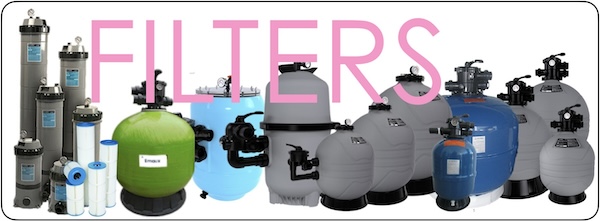
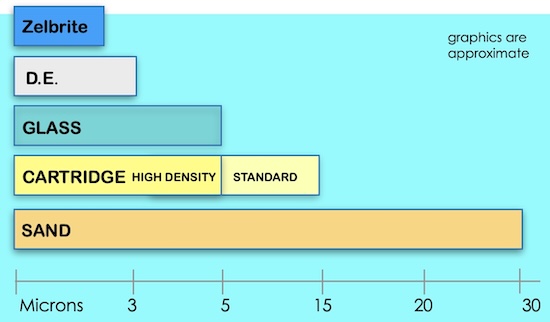
For how to choose a filter, see our FILTRATION GUIDE
Filtration: Turnover rates for pools in Thailand
Different sources provide very different suggestions for pool filtration times. These do not generally focus on the situation and penetration of swimming pools in Thailand or the type and use of the pools.
The discrepancy stems from differing climatic safety margins and commercial regulations. Australian and American manufacturers rely on stringent, commercial-grade standards that account for heavy usage, whereas Thai experts apply practical, real-world residential logic.
Understanding these key factors clarifies why these differing views exist:
• Commercial Standards vs. Residential Realities: Australian and American equipment vendors often apply their strict public/commercial health codes (which require a 4- to 8-hour turnover) globally, regardless of whether the pool is residential or a commercial or school pool with a heavy bather load. Local professional builders in Thailand know that for a private residential pool or smaller resort or hotel pool, one turnover every 24 hours for a total pumping time of 6 to 8 hours is perfectly fine, provided the chemical balance is maintained. The difficulty is insisting on pool owners the requirement for regular but simple water testing and just how critical the pool water chemistry is.
• Climate and Debris Differences: Australia and American regions often experiences harsh, variable climates with frequent dust storms, debris, and intense UV rays that rapidly deplete chlorine. While some regions of Thailand have seasonal smoke (burning season) and leaf drop, a properly maintained residential pool does not need to cycle water constantly to remain sanitary and safe for bathing.
• Sanitation Over Circulation: The primary job of a pool system is distributing sanitizer, not just pushing water through a filter. Clear water comes from correct chemical balance and regular shocking. If the chemicals are right, 24 hours is plenty of time to distribute the sanitizer; faster turnover rates are primarily required to physically clear heavy particulate matter or handle the heavy bather loads seen in public resorts.
•Equipment Oversizing: A common practice by pool builders due to lack of knowledge or to maximise on profit.
Calculate
On the SwimmingPoolsThailand website, the flow rates of all our pumps and filters are clearly displayed on the product descriptions. To find a matching pump and filter for your pool, you first need to calculate the volume of your pool:
Multiply: Length x Width x average Depth,
For an overflow or infinity edge pool add the volume of the balance (surge) tank, or 10%,
To find the MFR (Minimum Required Flow Rate) for one turnover:
Divide by 8 for a pumping time time of 8 hours or by 6 for a pumping time time of 8 hours.
The most frequently advertised flow rate for a pump is based on a head of 4 metres (distance from the nearest edge of the pool), but do view the actual performance chart. When installing pumps and filters, always use space. Use as few elbows as possible as they significantly reduce the flow and velocity of the water.
SUMMARY
Ultimately, if you are running a private residential pool in Thailand and keeping a close eye on your chemical levels, if the pH (most important) is between 7.2 and 7.6, and the chlorine is at 0.3 to 1.5 (up to 3.0 for a heavy bather load) a rate of one turnover every 24 hours is often perfectly adequate and will save significantly on electricity.
The installation of new-generation variable speed pumps such as the industry-leading models from Emaux can effectively save up to 80% electricity, why automated or semi-automated chemical control can save on costs of chemicals and accurately maintain the chemical balance.
Sand filters work best when filled with glass media or Zelbrite. Modern Emaux cartridge filters are better than sand, more economical and space saving, require less plumbing, have no mechanical parts, and do not require backwashing - simple cleaning of the filter every few weeks is usually sufficient or when the pressure gauge says it's time to clean it.
For more on pool chemistry in the region, refer to the SwimmingPoolsThailand Chemical Guide.
©2024 SwimmingPoolsThailand
Cart
Specials
-
-
SPECIAL OFFER 4 x HOTOOK 18W warm white, plastic
฿ 11,846.72 ฿ 9,846.72
Information
- Shipping
- Payment
- Thailand Pool Shop Terms and conditions
- Choosing your swimming pool filter at SwimmingPoolsThailand shop
- Public Holidays in Thailand 2026
- Swimming pool builder in Isan, Isaan, Chiang Mai
- Pump Guide
- Ionzers
- Privacy policy
- Cookie policy
- SwimmingPoolsThailand chemical guide
- Salt water pools
- The EMAUX guarantee
- Testimonials
- Why are Dolphin robots so popular?
- Ionizers
- ClearBlue - additional advice